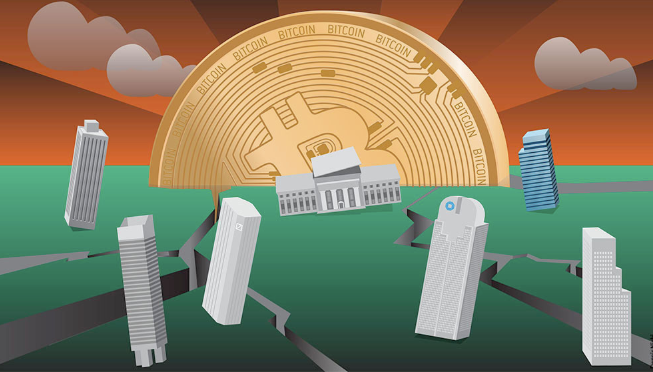
Blockchain technology has evolved significantly, transcending its original association with cryptocurrencies. Its applications now permeate various sectors, offering enhanced transparency and security. In supply chain management, for instance, real-time tracking improves efficiency and trust among participants. Similarly, healthcare systems leverage blockchain for secure patient records. As these advancements unfold, the implications for governance and intellectual property management remain intriguing. What other transformations might emerge as blockchain continues to integrate into these critical industries?
Transforming Supply Chains With Blockchain Technology
A growing number of industries are recognizing the potential of blockchain technology to revolutionize supply chain management.
By implementing smart contracts, stakeholders can automate agreements, enhancing efficiency and reducing disputes.
Additionally, traceability solutions enable real-time tracking of goods, improving transparency and accountability.
These innovations empower businesses to optimize operations while fostering trust among participants, ultimately contributing to a more resilient supply chain ecosystem.
Enhancing Data Security in Healthcare Systems
Enhancing data security in healthcare systems is critical as the digital transformation of patient records and health information systems accelerates.
Blockchain technology provides a robust framework for ensuring secure records, enabling immutable data storage and transparent access controls.
Revolutionizing Voting Processes With Decentralized Solutions?
While traditional voting systems have long grappled with issues of security, transparency, and accessibility, decentralized solutions powered by blockchain technology present a transformative approach to electoral processes.
By enabling secure voting through cryptographic verification and immutable records, blockchain enhances voter confidence.
Furthermore, these systems facilitate transparent elections, ensuring that every vote is accurately counted and publicly verifiable, thus promoting trust in democratic practices.
See also: Blockchain Beyond Cryptocurrency
Streamlining Intellectual Property Management and Rights Tracking
As intellectual property (IP) rights become increasingly complex in a globalized digital landscape, blockchain technology offers a robust framework for managing and tracking these rights with unprecedented efficiency.
By enabling patent verification and enhancing copyright enforcement, blockchain ensures transparent ownership records and streamlined transactions.
This decentralized approach reduces disputes and fosters a culture of trust, empowering creators to maintain control over their intellectual assets.
Conclusion
In conclusion, blockchain technology serves as a foundational pillar for innovation across multiple sectors, akin to a digital lighthouse guiding industries through turbulent waters. By providing transparency, security, and efficiency, it empowers supply chains, healthcare, voting systems, and intellectual property management. For instance, a 2021 study revealed that 77% of global executives believe blockchain will be critical to their organization’s operations within the next five years, underscoring its potential to reshape traditional practices and foster trust among stakeholders.