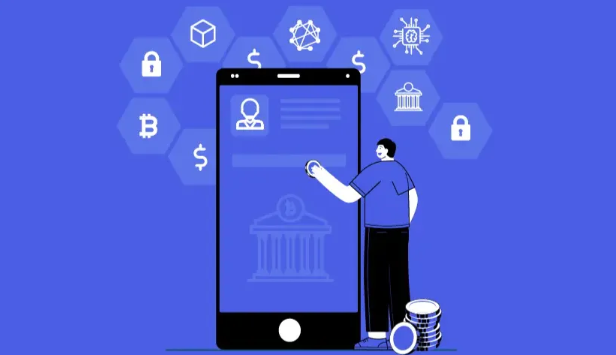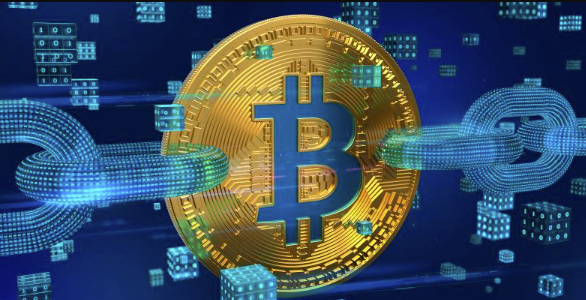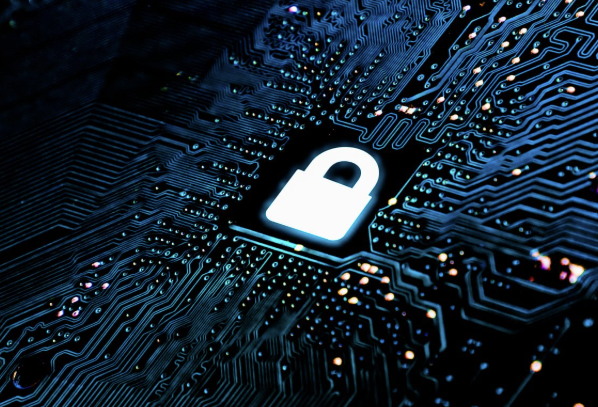
Blockchain technology fundamentally transforms the landscape of data security and transparency. Its decentralized architecture employs advanced encryption, which significantly enhances protection against unauthorized access. The immutability of blockchain records ensures the integrity of data, fostering trust among participants. Furthermore, the inherent transparency promotes accountability, allowing users to maintain control over their assets. As organizations increasingly adopt this technology, the implications for various sectors warrant closer examination. What challenges and opportunities lie ahead?
How Blockchain Enhances Data Security
Blockchain technology fundamentally enhances data security through its decentralized architecture and cryptographic protocols.
By utilizing advanced encryption techniques, it ensures that data remains confidential and inaccessible to unauthorized parties.
Additionally, the system’s inherent design promotes data integrity, as each transaction is verified and recorded across multiple nodes.
This not only safeguards information but also empowers users with greater control over their digital assets.
The Role of Immutability in Trust and Transparency
Immutability serves as a cornerstone for establishing trust and transparency within digital transactions.
By ensuring that recorded data remains unalterable, it provides trust assurance to participants. This characteristic safeguards data integrity, effectively deterring fraudulent activities and unauthorized modifications.
The resultant transparency fosters a secure environment, empowering users to engage confidently, knowing that the information they rely upon is accurate and reliable.
Decentralization: A Game Changer for Fraud Prevention
As organizations increasingly adopt decentralized systems, the potential for fraud prevention markedly improves.
Decentralization facilitates peer-to-peer transactions, eliminating central points of failure that fraudsters exploit. This architecture enhances fraud detection mechanisms by distributing data across multiple nodes, making unauthorized alterations conspicuous.
Consequently, the transparency inherent in decentralized systems fosters a more secure environment, empowering users to trust the integrity of transactions and reducing fraudulent activities.
See also: Blockchain in Supply Chain Management
Real-World Applications of Blockchain Security and Transparency
How do real-world applications harness the security and transparency offered by decentralized systems?
Industries utilize blockchain to enhance supply chain integrity, ensuring traceability and authenticity throughout product lifecycles.
Additionally, blockchain facilitates secure digital identity management, empowering individuals with control over their personal data.
These applications exemplify how decentralized technologies can promote trust and freedom in transactions, fundamentally transforming traditional systems into more reliable frameworks.
Conclusion
In juxtaposing traditional data management systems with blockchain technology, the stark contrast in security and transparency becomes evident. While conventional methods often succumb to breaches and manipulation, blockchain’s decentralized architecture and immutable records provide a fortified environment against fraud. This duality highlights a transformative shift in trust dynamics, where data integrity is not merely a goal but a guaranteed reality. As industries increasingly adopt blockchain, the benefits of enhanced security and accountability will redefine standards for digital transactions.