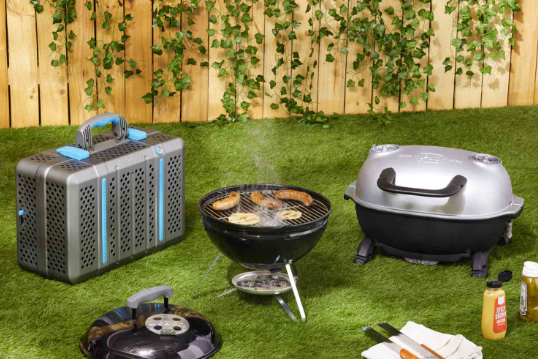
Whether you’re setting up at a campsite deep in the woods or parked outside the stadium hours before kickoff, one thing stays the same: good food makes the whole experience better. Portable grills have become essential gear for camping trips, tailgate parties, and impromptu backyard sessions alike, but not all portable grills are built the same. Choosing the right one can mean the difference between a smooth, enjoyable cooking experience and a frustrating one.
This guide breaks down what to look for in a portable grill, how camping and tailgating needs differ, and which features actually matter once you’re out in the field.
Why Portability Changes What “Best” Means
A grill that performs beautifully in a backyard setup isn’t necessarily practical for camping or tailgating. Weight, size, setup time, and fuel type all become far more important once you’re dealing with limited trunk space, uneven terrain, or a tight tailgate schedule before a game.
The best portable grills strike a balance between performance and convenience, delivering solid cooking results without requiring a complicated setup process or excessive bulk.
See also: 12 Speech-Practice Apps for Kids Worth Installing in 2026
Key Features to Look For in a Portable Grill
1. Compact, Lightweight Design
Whether it’s fitting into a truck bed or being carried to a campsite, size and weight matter. Look for models that fold down easily or come with built-in carrying handles.
2. Fast Setup and Breakdown
Tailgates especially run on tight schedules. A grill that takes 20 minutes to assemble eats into valuable cooking and eating time before kickoff.
3. Reliable Fuel Options
Propane tends to be the most practical choice for both camping and tailgating, offering quick ignition and consistent heat without the need to manage charcoal or wood.
4. Stable Cooking Surface
Uneven ground is common at both campsites and parking lots, so sturdy legs or a stable base are essential for safe, even cooking.
5. Weather Resistance
Portable grills often face more exposure to wind, dust, and unpredictable weather, so durable construction matters more than it might for a stationary backyard grill.
Best Grill Types for Camping
Camping conditions often mean limited space and unpredictable terrain, so the ideal setup prioritizes simplicity and durability.
For a full breakdown of the top-performing options in this category, this guide on the tailgating grill and camping grill comparison covers specific models suited for outdoor adventures, tailgates, and backyard flexibility all in one place.
Ideal camping grill traits include:
- Small folding designs that pack easily into vehicles or backpacks
- Propane or butane-powered options for reliable ignition in remote areas
- Durable materials that hold up to dust, dirt, and rough handling
Best Grill Types for Tailgating
Tailgating comes with its own set of priorities, speed, group cooking capacity, and standout performance for cooking multiple items at once for larger groups.
Larger portable grills with wider cooking surfaces tend to work best here, since tailgates often involve feeding bigger groups within a shorter timeframe. High-heat performance also becomes more valuable, especially for quickly searing burgers or hot dogs for a crowd.
When High Heat Matters: Exploring 1500°F Performance
For tailgaters and grilling enthusiasts who prioritize serious searing power, extreme high-heat grills have become increasingly popular. This 1500°F grill review breaks down whether this level of heat output is genuinely worth the investment, useful for anyone deciding between a standard portable grill and a higher-performance option built for fast, high-temperature cooking.
Comparing Camping vs. Tailgating Priorities
| Factor | Camping Priority | Tailgating Priority |
| Size | Ultra-compact | Moderate, larger cooking surface |
| Setup speed | Important, not critical | Extremely important |
| Fuel type | Propane/butane preferred | Propane preferred |
| Cooking capacity | Small groups | Larger groups |
| Heat performance | Moderate | High-heat often valued |
Maintenance Tips for Portable Grills
Since portable grills face more exposure to dust, moisture, and rough handling, a few habits help extend their lifespan:
- Clean grates thoroughly after each use, especially after outdoor exposure
- Check propane connections before each trip for leaks or damage
- Store in a protective case or cover when transporting
- Inspect folding mechanisms periodically for wear
Final Thoughts
The best portable grill depends heavily on how and where you’ll use it. Camping favors lightweight, compact designs built for durability in unpredictable conditions, while tailgating benefits from larger cooking surfaces and faster setup to keep pace with game-day schedules. For those who want serious searing power, exploring high-heat options can add another level of performance to your outdoor cooking arsenal.
FAQ
1. What’s the most important feature for a camping grill?
Portability and durability tend to matter most, since camping grills need to withstand rough handling and uneven terrain while remaining easy to transport.
2. Is propane better than charcoal for portable grills?
For convenience, yes. Propane offers faster ignition and more consistent heat control, making it a practical choice for both camping and tailgating.
3. How much cooking surface do I need for tailgating?
It depends on group size, but larger tailgate gatherings typically benefit from grills with wider cooking surfaces to handle multiple items simultaneously.
4. Is a 1500°F grill overkill for casual tailgating?
Not necessarily. While not essential for everyone, high-heat grills offer faster searing and can be valuable for those cooking larger quantities quickly.
5. How do I keep a portable grill stable on uneven ground?
Look for models with adjustable or sturdy legs, and when possible, choose a level surface to set up on for safer, more even cooking.